The AI Shift No One Is Explaining: Why Q1 2026 Changed Everything
Like most writers, I have tried all the major AI tools at some point. ChatGPT when it first arrived. Gemini as Google pushed it into everything. Claude when Anthropic started gaining serious attention.
For a long time I moved between them depending on the task. But somewhere in early 2026, I noticed I was reaching for Claude more and more. Not because I had decided to. It just kept happening.
I started to wonder why.
So I did what I usually do when something does not add up: I went back to the source. I pulled up the product updates from the past few months — Google, Anthropic, OpenAI — and started reading them side by side rather than in isolation.
That is when the penny dropped.
It Was Never Just About the Models
For the past few years, most AI coverage has followed the same pattern. New model released. Benchmarks compared. Features listed. Verdict delivered.
That lens made sense when the story was about capability. It no longer holds.
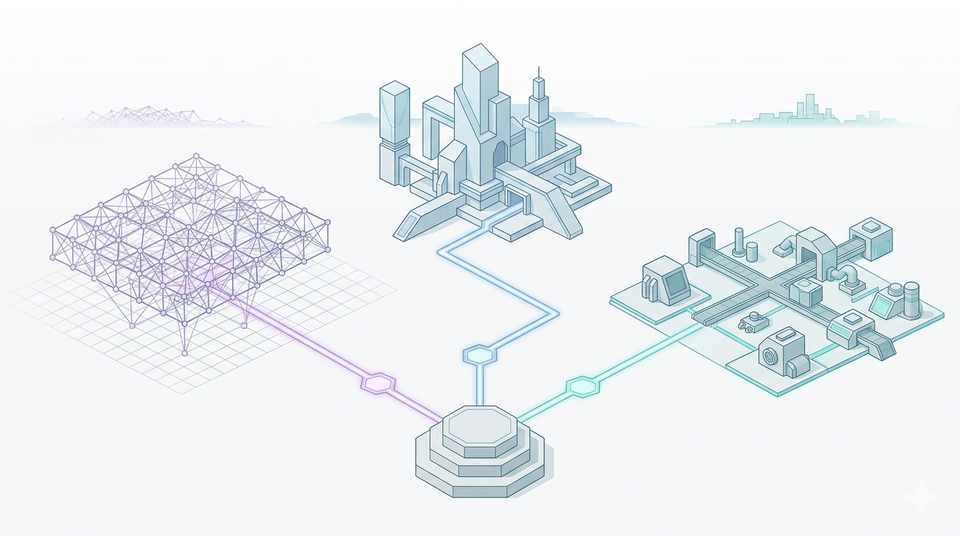
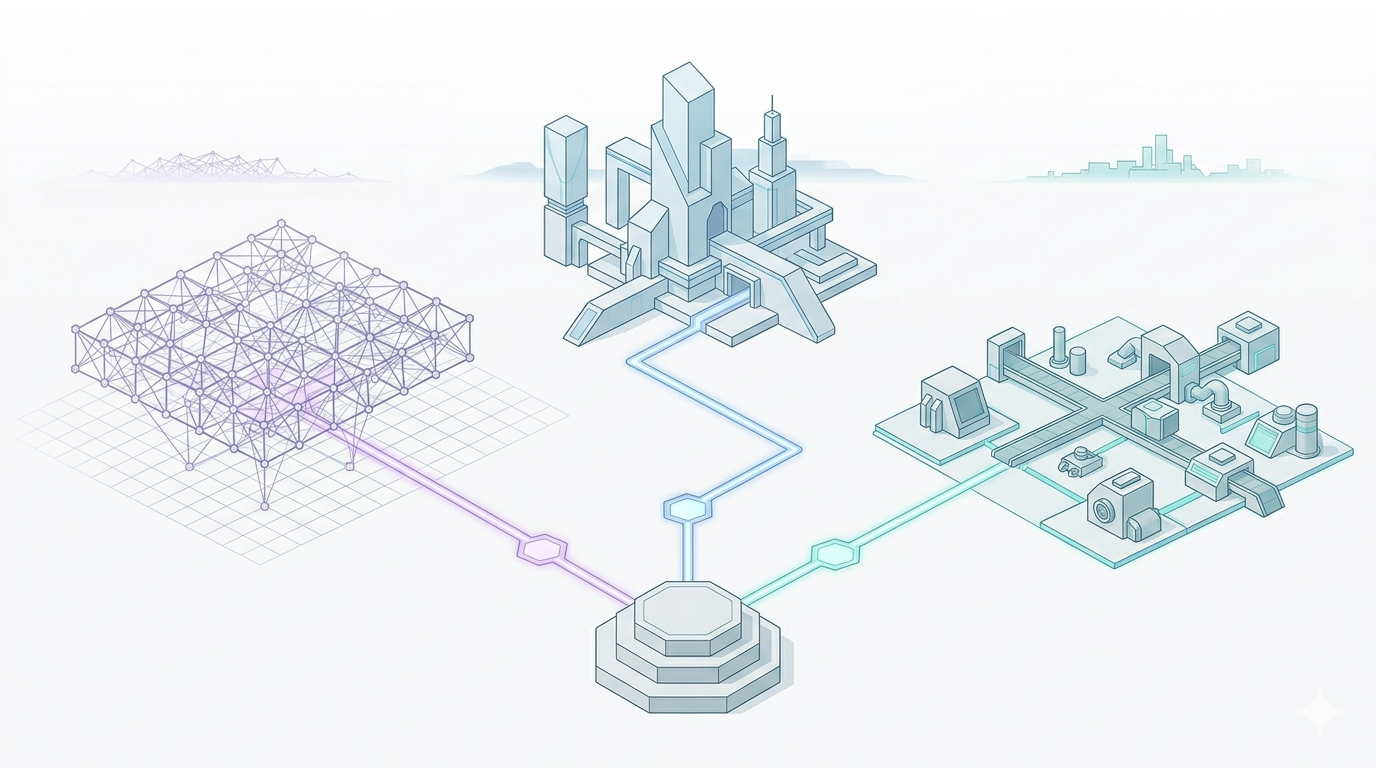
What I found when I looked at Q1 2026 as a whole was not a capability race. It was something more fundamental. Each of these companies is building a different kind of system — and those systems reflect different ideas about what AI is actually for.
Not better versions of the same thing. Different things.
Three Companies, Three Philosophies
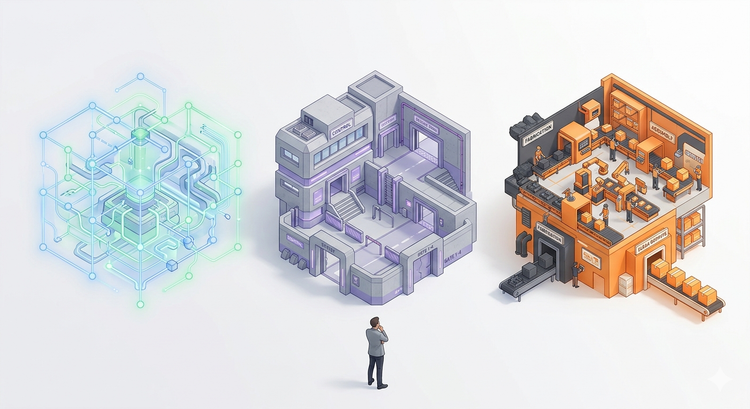
Google is building the system you work inside. Gemini is becoming infrastructure — embedded across Search, Workspace, Chrome, and mobile, carrying context between applications, anticipating what you need before you ask. The ambition is continuity. Everything connected. Everything aware.
Anthropic is building the system you can trust to think. Claude is becoming a controlled agentic system — capable of acting within workflows, but designed to pause, flag uncertainty, and stay within boundaries. The ambition is reliability. Not maximum output, but predictable, aligned behavior.
OpenAI is building the system that produces. ChatGPT is becoming a work interface — optimised for structured, usable output that fits directly into real workflows. The ambition is execution. Collapsing the distance between idea and deliverable.
Three companies. Three answers to the same question: what should AI be?
Why This Matters More Than Any Individual Feature
When I understood the difference, I also understood why I had been gravitating toward Claude.
It was not about any single capability. It was about what the system was built to do — and how that matched the kind of work I do. That is a different kind of choice than picking the tool with the best benchmark score. It is a structural choice. And most people are making it without realising it.
That is the problem this series is trying to solve.
Because once these systems become embedded in how you work, they begin to shape how you think. The defaults you accept. The structures you reach for. The kind of output you recognise as good.
Understanding what each system is optimised for — before you are deep inside it — is worth more than any feature comparison.
What This Series Will Do
In the articles that follow, I examine each company in turn: what they actually built in Q1 2026, what pattern emerges when you look beyond individual announcements, and where the paths diverge.
Not a features list. Not a benchmark comparison. A look at the underlying direction — and what it means for anyone building a workflow around these tools.
The three articles on Google, Anthropic, and OpenAI build on each other. The final article pulls the threads together and asks the question that matters most: given what these systems are actually becoming, how do you stay in control of your own work?
The differences between these three companies are more pronounced than they first appear.
And they are worth understanding before the choice is made for you.
This is the first article in a five-part series on where Google, Anthropic, and OpenAI are actually heading in 2026 — and what it means for how you work. Next week I will be looking at Google.
The complete series:
- The AI Shift No One Is Explaining: Why Q1 2026 Changed Everything (this article)
- Google's Q1 2026 AI Strategy: Building the System You Work Inside
- Anthropic's Q1 2026 Strategy: Building AI That Can Act—Without Losing Control
- OpenAI's Q1 2026 Strategy: Turning AI Into Work Infrastructure
- The Real AI Divide: Three Systems, One Strategic Choice for Creators