The Real AI Divide: Three Systems, One Strategic Choice for Creators
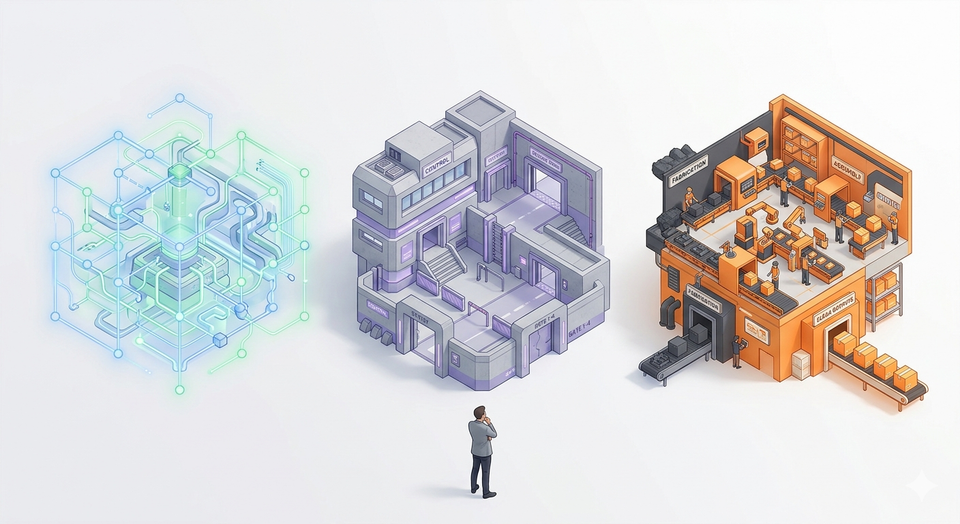
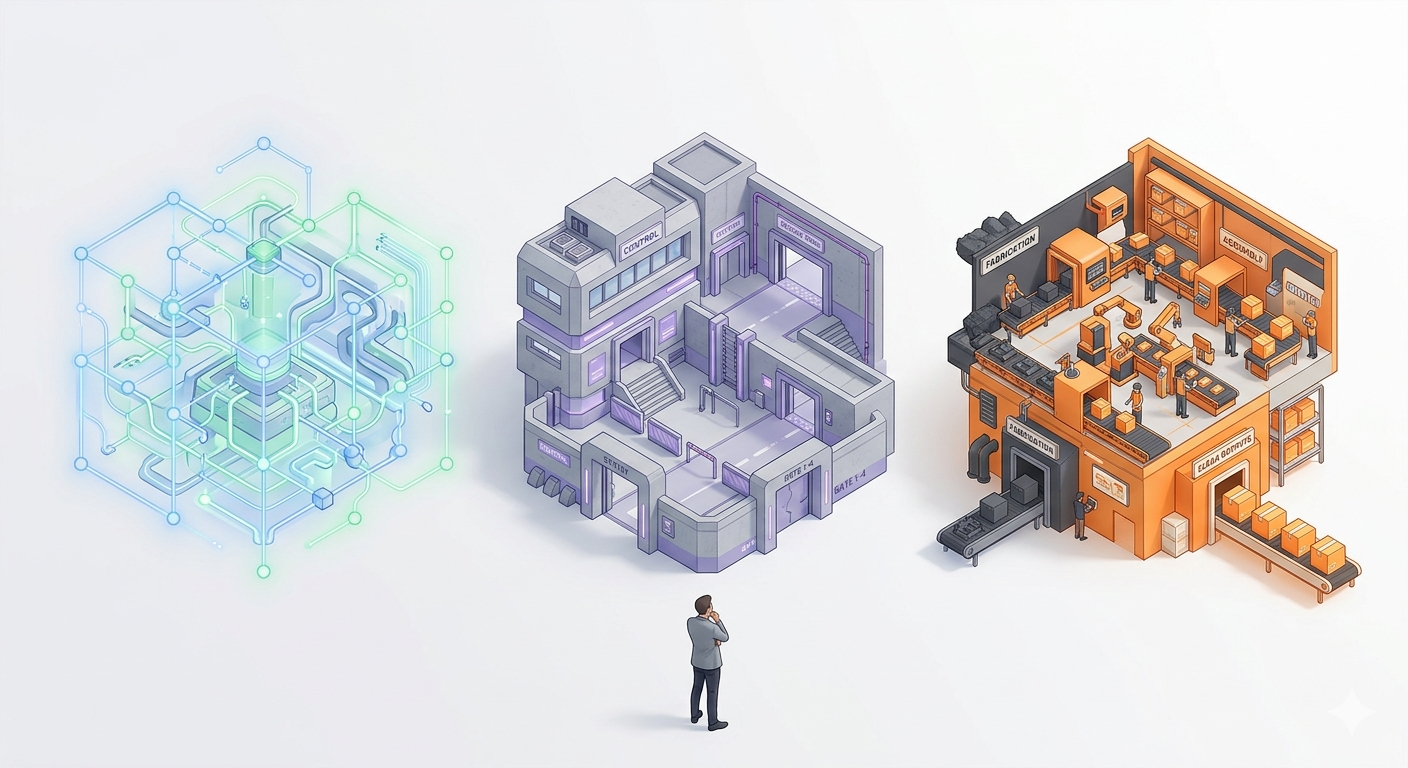
After writing four articles about what Google, Anthropic, and OpenAI are actually building, one question kept coming back to me: which of these systems do I build my own workflow around? I have made my choice — Claude, for reasons that will become clear — but the more interesting question is how to make that choice deliberately, rather than by default.
Three Systems, Not Three Tools.
Over the past quarter, each company has been building toward a different kind of AI system. and the differences are not superficial.
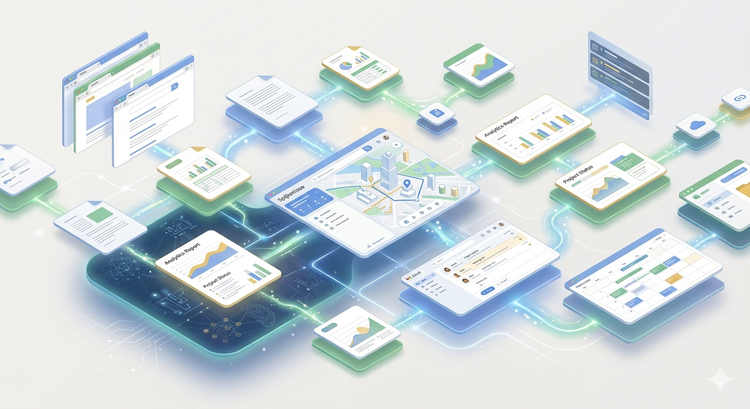
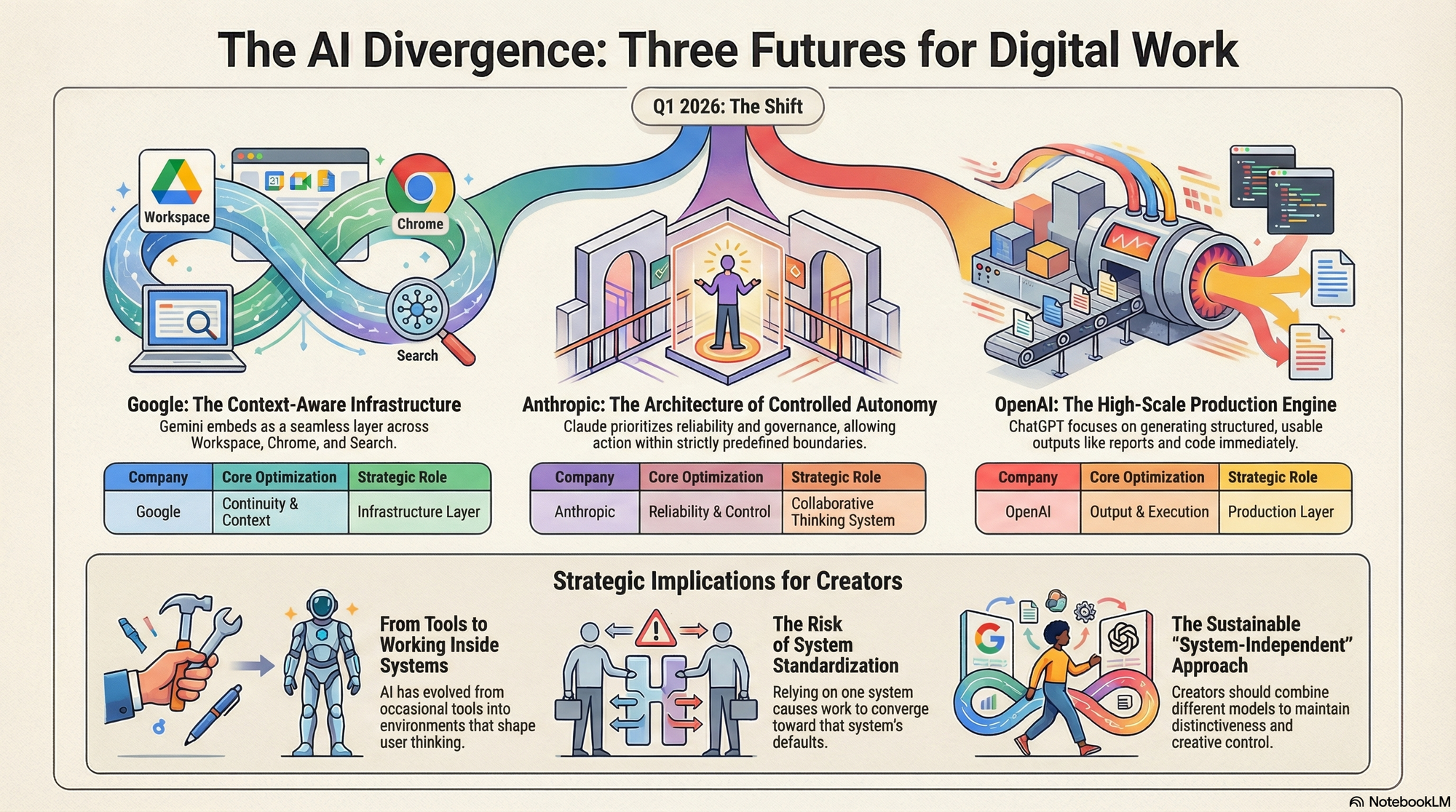
Google is embedding AI across its entire ecosystem through Gemini. Search, Workspace, Chrome, mobile. Everything becomes part of a connected layer where context flows continuously between applications. The system knows what you are doing before you ask.
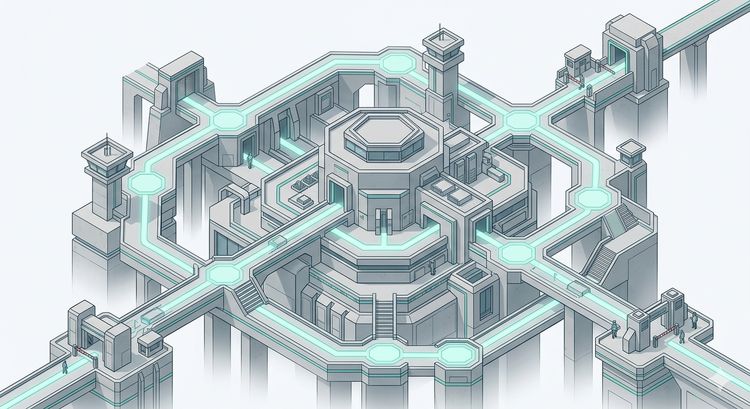
Anthropic is shaping a controlled environment with Claude, where reasoning, boundaries, and governance are built into how the system operates. Capability increases, but so does constraint. The system is designed to think, within limits that make its behavior predictable.
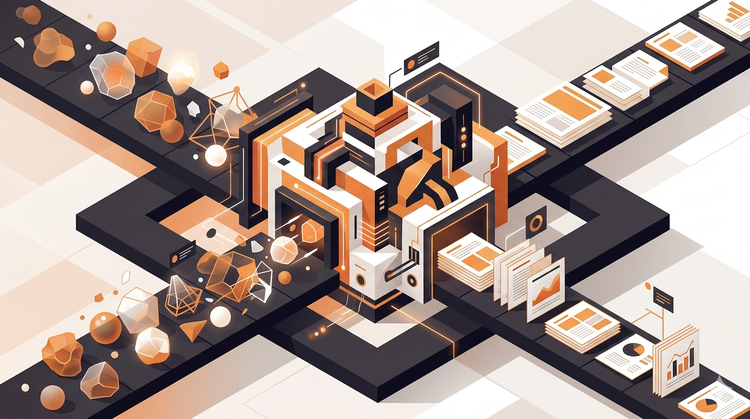
OpenAI is turning AI into a production layer through ChatGPT. The focus is on structured, usable output that fits directly into real workflows. The distance between idea and deliverable shrinks. The system does not assist with production. It becomes production.
These are not variations of the same idea. They are different models of how AI integrates into work, and into how you think.
The Structural Differences
The distinction becomes clearer when you look at what each system optimises for.
Google optimises for continuity. The system knows what you are doing, where you are doing it, and connects everything into a seamless flow across its ecosystem.
Anthropic optimises for control. The system is designed to reason carefully, flag uncertainty, and operate within constraints that make its behavior dependable over time.
OpenAI optimises for output. The system is built to produce results that are immediately usable, collapsing the gap between thinking and execution.
Each approach solves a real problem. Each one introduces a real trade-off.
The Trade-Offs You Inherit
These systems do not just give you capabilities. They shape how you work. And over time, how you think about work.
If you build primarily within the Gemini ecosystem, you gain speed and integration. But your workflow increasingly aligns with how Google structures information and tasks. The system's assumptions become your defaults.
If you rely on Claude, you gain clarity and a thinking partner that holds an argument across complex work. But you accept constraints that limit how far the system acts on your behalf. You stay more in the loop — by design.
If you build around ChatGPT, you gain immediate, structured output and an execution layer that is hard to match for speed. But the system begins to standardize how work is produced. Output converges toward patterns the system is optimized for.
These trade-offs do not disappear as the systems improve. They compound.
The Hidden Shift: From Using Tools to Working Inside Systems
Across all three approaches, one change is consistent. And it is the most important one to name.
AI is no longer something you occasionally consult.
It is becoming the environment in which work happens. The distinction matters. An environment shapes you. A tool does not.
When AI becomes the environment, your role as a creator shifts. You are no longer primarily writing, analyzing, or structuring. You are directing systems that do those things, and deciding how much of the result to keep. The quality of your work depends increasingly on how well you guide these systems. And how much of your own thinking you bring to what they produce.
The Risk of Convergence
As these systems improve, they introduce a risk that is easy to miss because it arrives gradually.
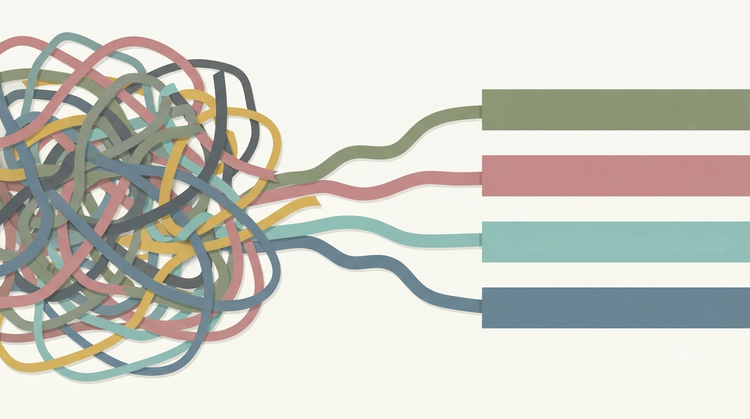
They make certain ways of working easier than others. Structures emerge as defaults. Formats get optimized. Over time, work produced within the same system begins to resemble itself. Not because the creator chose that, but because the system was built to produce it.
For creators, this is the central challenge of the next few years. Efficiency increases. Differentiation becomes harder. The two move in opposite directions.
What Actually Matters Going Forward
At this point, comparing features is no longer the useful question.
The real question is structural: which system do you build your workflow around, and what are you giving up when you do?
Because once you commit, the system influences how you frame problems, how you structure ideas, and how you recognize a good result when you see one. That is not a neutral influence. It is a persistent one.
The Only Sustainable Approach
For content creators, the implication is practical.
Relying on a single system is efficient in the short term. It is limiting in the long term. Each system has genuine strengths, and built-in tendencies that shape output in ways you may not notice until you step outside them.
The sustainable approach is to stay system-aware and system-independent.
Use Gemini where integration and context accelerate your research and workflow. Use Claude when clarity, sustained reasoning, and controlled thinking matter, when you need a thinking partner, not just a fast answer. Use ChatGPT to generate structured output and execute tasks where speed and usability are the priority.
But do not let any single system define your process.
Keep separation between your thinking and the system's output. Actively reshape what the system produces. Override defaults when they do not serve your voice. Introduce your own structure where the system's structure is not yours.
That discipline is not about distrusting AI. It is about knowing what you are bringing to the work that the system cannot.
Conclusion
Google, Anthropic, and OpenAI are not just competing to build better AI. They are defining three different ways in which work can be structured, executed, and shaped through AI systems.
For content creators, the path forward is not choosing one of these systems and settling in. It is using them deliberately. Combining their strengths, understanding their tendencies, and retaining authorship over how ideas are formed and expressed.
The creators who do this will not just work faster. They will remain distinct in a landscape where everything else is beginning to sound the same.
This is the final article in a five-part series on where Google, Anthropic, and OpenAI are actually heading in 2026 — and what it means for how you work. The first article, the introduction to this series, is The AI Shift No One Is Explaining: Why Q1 2026 Changed Everything.